

Rudolf Kharatyan stands as one of Armenia’s most influential figures in the world of ballet, embodying the nation’s rich cultural heritage through his multifaceted career as a dancer, choreographer, teacher, and director. Born in Armenia, Kharatyan rose to prominence as a principal dancer, earning the prestigious title of People’s Artist of Armenia for his extraordinary contributions to the performing arts. His journey reflects not only technical mastery but also a deep commitment to preserving and innovating within classical ballet traditions, making him a bridge between Soviet-era ballet rigor and contemporary global stages.
Early Life and Training
Kharatyan’s formative years were steeped in the disciplined world of Armenian ballet, which drew heavily from Russian influences during the Soviet period. He trained at the prestigious Yerevan State Choreographic School, where he honed his skills in classical technique under renowned mentors. This rigorous education emphasized precision, expressiveness, and emotional depth—hallmarks of his later performances. By his early twenties, Kharatyan had joined the A. Spendiaryan Opera and Ballet National Academic Theatre in Yerevan, Armenia’s premier ballet institution. Here, he quickly distinguished himself in lead roles from ballets like Swan Lake, Giselle, and Don Quixote, captivating audiences with his powerful jumps, lyrical lines, and charismatic stage presence
His early career coincided with a pivotal time for Armenian arts amid post-Soviet transitions. Kharatyan’s ability to adapt to economic challenges while maintaining artistic excellence positioned him as a role model for aspiring dancers in a newly independent Armenia.
Rise as a Principal Dancer and International Recognition
As a principal dancer, Kharatyan performed across Europe and beyond, representing Armenia at international festivals and competitions. His repertory included iconic roles such as Siegfried in Swan Lake and Albrecht in Giselle, where critics praised his blend of virtuosity and interpretive nuance. Tours with Armenian ensembles took him to stages in France, Germany, and the United States, fostering cultural diplomacy through dance.
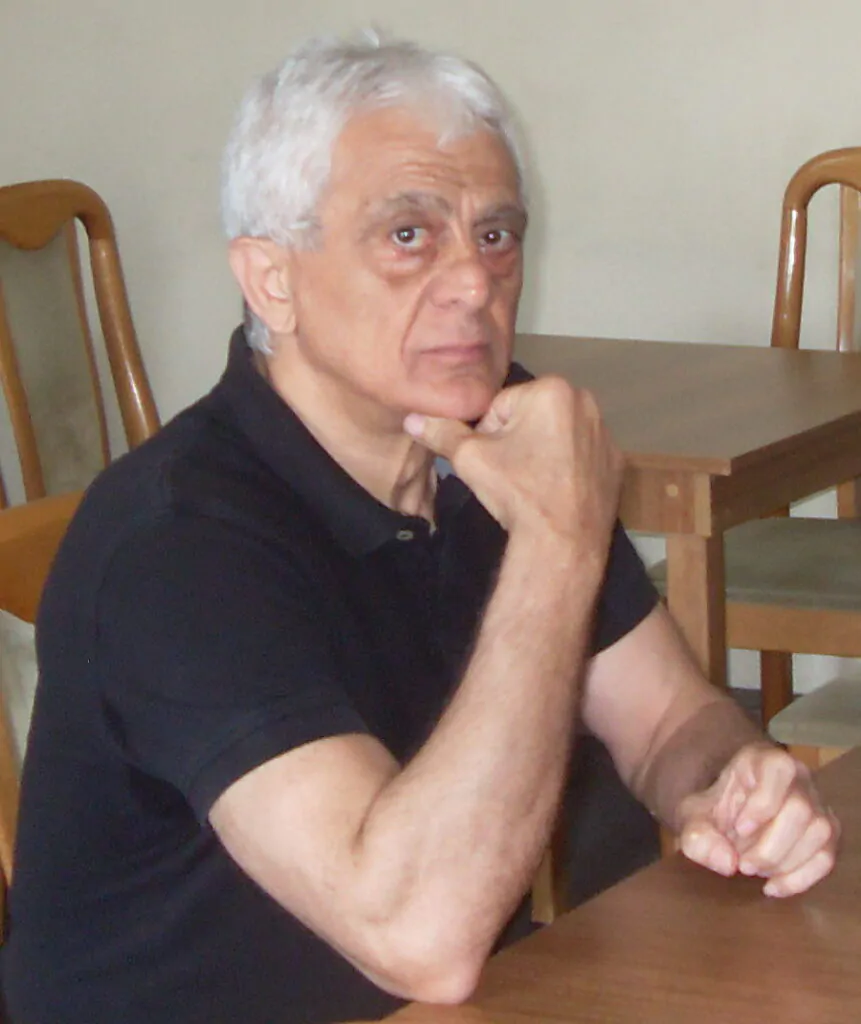
A notable anecdote from 2023 highlights his enduring charisma: while at Paris’s Charles de Gaulle Airport, Kharatyan became so engrossed in conversation that he nearly missed his flight, underscoring his passionate engagement even off-stage. These international exposures not only elevated his profile but also introduced Armenian ballet’s unique fusion of Eastern and Western styles to global audiences.
Transition to Choreography and Directorship
Kharatyan’s evolution from performer to choreographer marked a new chapter. He began creating original works that infused classical forms with Armenian folk elements, such as motifs from national music and mythology. Productions like those exploring themes of identity and resilience resonated deeply in Armenia’s cultural context. As artistic director of various dance companies, including roles at the Yerevan Opera and Ballet Theatre, he curated seasons that balanced timeless classics with innovative contemporary pieces.
His directorial vision emphasized youth development, establishing programs to nurture talent amid regional challenges. Kharatyan’s choreography often addressed universal human experiences — love, loss, and national pride — while honoring Armenia’s artistic legacy.
Teaching Legacy and Broader Artistic Pursuits
Beyond the stage, Kharatyan has profoundly impacted ballet education. As a pedagogue, he has taught at academies in Yerevan and masterclasses abroad, imparting techniques refined over decades. His method stresses holistic training: physical prowess allied with emotional intelligence, ensuring students embody the soul of dance.
Kharatyan’s talents extend to painting, where he explores abstract expressions of movement and emotion. This multidisciplinary approach enriches his choreography, as visual artistry informs his spatial compositions and dramatic narratives.
Cultural Impact and Enduring Influence
In an era of globalized arts, Rudolf Kharatyan remains a vital ambassador for Armenian culture. His work during turbulent times, including the 2020 Nagorno-Karabakh conflict, where he joined calls for peace, underscores his role as a moral voice in the arts community. Today, at an age where many retire, Kharatyan continues directing and inspiring, ensuring ballet’s vitality in Armenia.

Kharatyan’s career exemplifies resilience and innovation. With over five decades in the field, he has shaped generations, preserved traditions, and pushed boundaries. His legacy endures in every pirouette of his students and the applause for his productions, affirming ballet’s power to transcend borders and heal divides.