

Hakob Hovnatanyan (Armenian: Հակոբ Հովնաթանյան, 1806–1881), affectionately dubbed the “Raphael of Tiflis,” reigned as the preeminent portraitist of 19th-century Armenian art. Scion of the storied Hovnatanyan dynasty—five generations of painters from Nakhichevan’s Shorot village—Hakob elevated family traditions of church frescoes into secular mastery, capturing Tiflis’ cosmopolitan elite with psychological depth and luminous realism. His canvases of princes, clergy, merchants, and Persian shahs bridged Renaissance technique with Caucasian vibrancy, founding modern Armenian portraiture amid Russian imperial and Qajar crossroads.
Dynasty’s Heir: From Nakhichevan Miniatures to Tiflis Canvases
Born in Tiflis (Tbilisi) to Mkrtum Hovnatanyan (1779–1846) and grandson of Hovnatan Hovnatanyan (1730s–1801), Hakob inherited a legacy tracing to Naghash Hovnatan (1661–1722)—poet-miniaturist who adorned Etchmiadzin under Safavid patronage. Youth spent restoring father’s Echmiadzin dome frescoes (Christ Pantocrator, apostles) honed wall-painting prowess; Tiflis’ Norashen and Sioni churches bear early contributions. 1841 Saint Petersburg Academy gold medal catapulted fame, dubbing him Tiflis’ Raphael for Italianate elegance fused with Armenian soul.
Golden Decade: Portraits of Tiflis Aristocracy (1840s–1850s)
Hakob’s zenith spanned 1840–1850: psychologically penetrating portraits of Georgian-Armenian nobility, clergy, Freemasons. Masterpieces include:
- Princess Melikishvili (Georgian National Museum): Regal gaze, pearl tiara, velvet chokha—elegance incarnate.
- Captain M.B. Buchkiev (1854): Military stoicism, saber glint, Crimean War backdrop.
- Natali Teumian: Bourgeoise refinement, lace mantilla evoking diaspora matrons.
- Nerses V Ashtaraketsi: Catholicos-poet, defiant eyes mirroring Russification resistance.
- Karajyan / Unidentified Noble: National dress splendor, gold embroidery signaling merchant wealth.
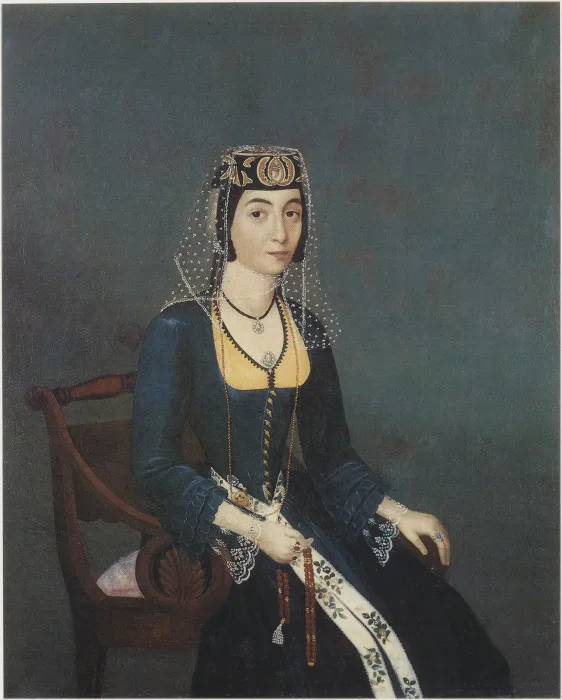

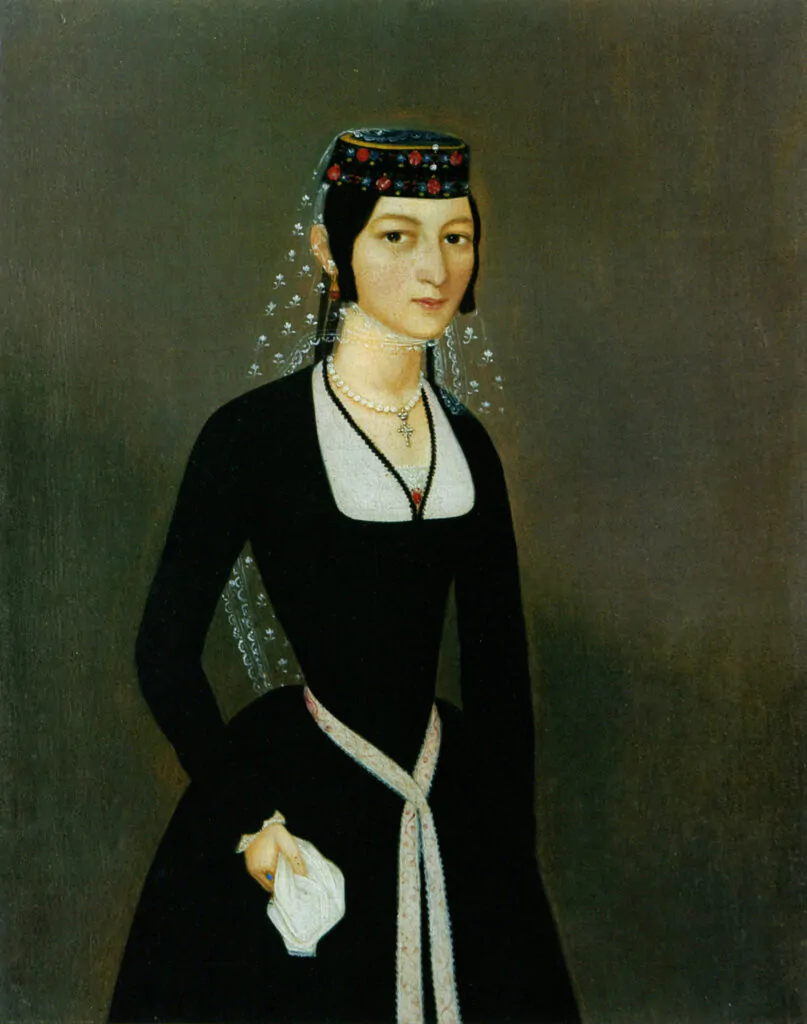


Vibrant palettes—crimson, ultramarine—luminous flesh tones, and Renaissance chiaroscuro distinguished him from miniaturist forebears, immortalizing Tiflis’ multicultural zenith.
Persian Sojourn: Court Painter to Naser al-Din Shah
Economic downturns and artistic wanderlust drew Hakob to Persia c. 1870s. Via daughter in Tabriz, he reached Tehran, captivating Naser al-Din Shah Qajar with portraiture. Awarded Naghshbashi (Master Painter) title and courtesy nobility, he produced:
- Naser al-Din Shah: Iconic Qajar likeness, jeweled aigrette, peacock throne—rivaling court Europeans.
- Ali ibn Abi Talib: Shiite reverence, radiant halo blending Sunni-Armenian icon traditions.
Buried at Tehran’s Saint George Church (Hakobian), his Persian phase synthesized Safavid miniatures—elongated forms, gold leaf—with European academism, influencing Reza Abbasi school heirs.
Technical Mastery and European Synthesis
Trained in nveratsk (fresco) yet pioneering oils, Hakob fused Italian Renaissance (Raphael’s serenity, Titian’s warmth) with Caucasian realism. Signature traits: expressive eyes conveying inner nobility, detailed textiles (silk chokha, Persian brocade), landscapes framing sitters—Ararat glimpses, Tiflis bridges. Unlike Mkrtum’s historical kings (Hayk, Artashes I), Hakob humanized contemporaries, prefiguring Vardges Surenyants’ impressionism.
Tiflis Cultural Nexus and Commissions
Resident in Armenian Khojivank quarter—dynastic pantheon—Hakob dominated Tiflis salons: Georgian princes, Russian officers, Armenian merchants, Persian envoys. Parajanov’s 1967 short Hakob Hovnatanyan (banned initially) captures mechanical music boxes, mechanical marvels evoking artist’s era. Commissions spanned churches (Sioni icons), theaters, private galleries—chronicling 19th-century Caucasia’s social fabric.
Legacy: Crater on Mercury and National Icon
Hakob died at 75 (1881), interred Tehran; posthumous Tiflis repatriations adorn National Gallery of Armenia, Simon Janashia Museum. Mercury crater “Hovnatanian” honors dynasty. Sergei Parajanov revered him as “sound-vision” pioneer; moderns trace portrait renaissance to his gaze. Amid Nerses V’s poetry, Artaxias I’s statecraft—from Orontes III’s satrapy to Mkrtum’s kings—Hakob visualized hayrenik, portraits lighting Armenian revival post-1828 annexation.
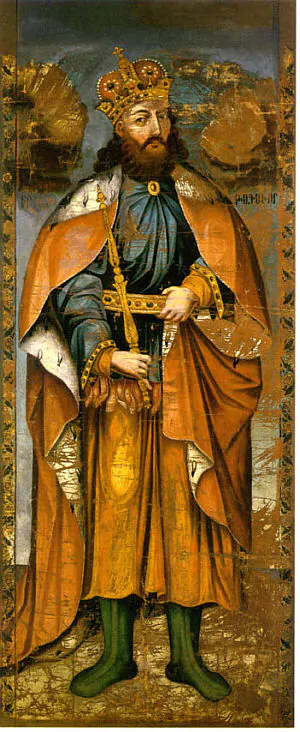

Dynastic Crescendo and Artistic Innovation
Fifth-generation Hovnatanyan, Hakob professionalized studios: apprentices (brother Aghaton), serial production, royal courts. Persian exile innovated cross-cultural fusion—Qajar jewel tones met Raphael serenity—birthing transnational school. For Yerevan chroniclers, his Melikishvili echoes Satenik’s Iberian grace, Naser al-Din evokes Artaxias I’s Seleucid diplomacy: eternal portrayer of power’s human face.
Paintings: https://www.peopleofar.com/2012/03/17/hakob-hovnatanyan-1806-1881/