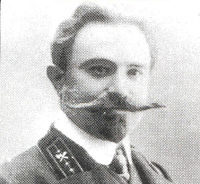
Nikolai Georgievich Bayev (Armenian: Նիկողայոս Գևորգի Բաև; October 6, 1875 – August 5, 1952) was a prolific Armenian architect whose designs spanned the oil-booming cosmopolitanism of Baku and the nascent Soviet Republic of Armenia. Graduating from St. Petersburg’s elite engineering institute, he shaped over 300 buildings, from imperial theaters to socialist palaces, embodying Armenian ingenuity amid empire transitions. His career bridged tsarist opulence and Stalinist utility, earning him an honorary diploma from the Armenian SSR Supreme Soviet in 1945.
Early Life and Training
Born in Astrakhan to an Armenian family, Bayev showed early artistic flair in music, painting, and architecture during gymnasium years. A relative and childhood friend of opera singer Nadezhda Papayan, he entered the Saint Petersburg Institute of Civil Engineering in the late 1890s, graduating in 1901 with honors. This classical education in neoclassicism and engineering propelled him to Baku’s thriving construction scene by 1911.
Baku Mastery (1911–1918)
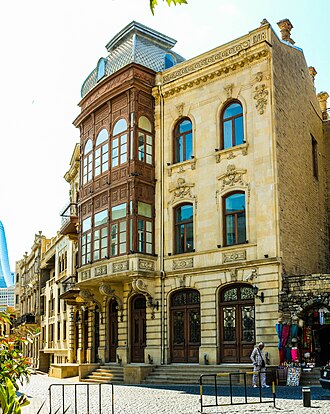
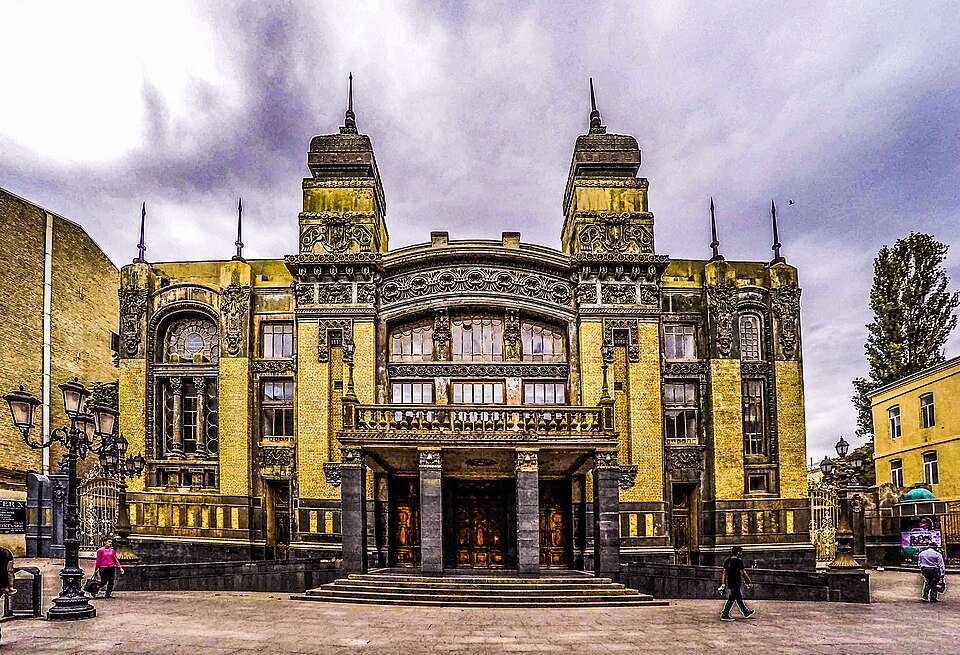
As Baku’s chief architect from 1911 to 1918, Bayev oversaw a golden era of over 100 projects amid Azerbaijan’s oil rush. His masterpiece, the Mailov Brothers’ Great Theatre (1911; now Azerbaijan State Opera and Ballet Theatre), fused Renaissance Revival with local motifs, seating 1,000 in gilded splendor. Other landmarks: Sabunchi Railway Station, Ermenikend residential district, and commercial edifices for the city’s Armenian, Russian, and Azerbaijani elites. These works captured Baku’s pre-revolutionary vibrancy, blending European grandeur with Caucasian scale.
Soviet Yerevan Era (1927–1952)
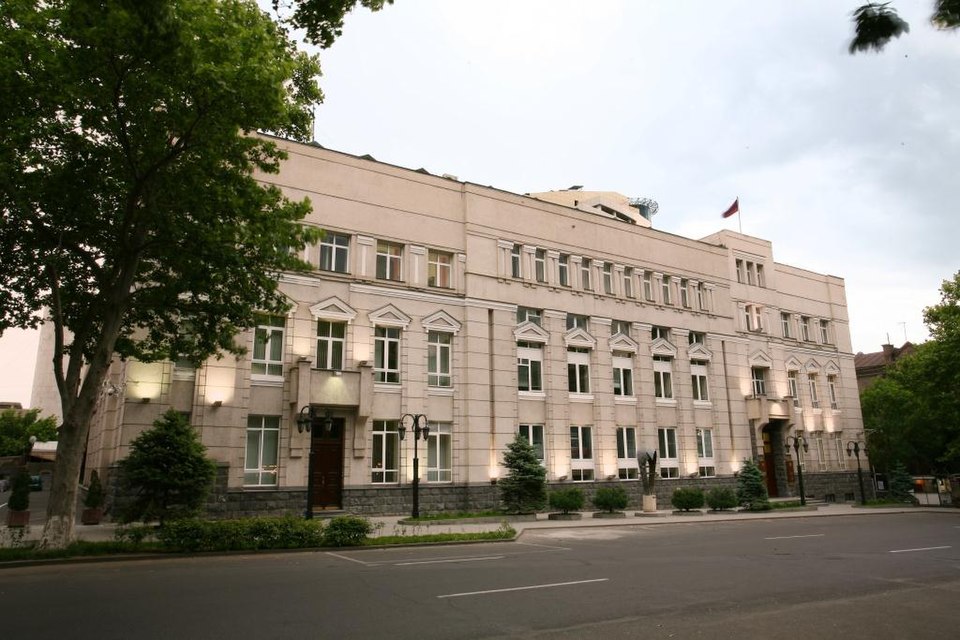
Relocating to Yerevan in 1927 amid Sovietization, Bayev headed ArmSelStroy (Armenian rural construction agency) from 1929–1930, erecting about 200 structures foundational to the Armenian SSR. Key commissions: Pioneers’ Palace, State Bank, Ministry of Justice, Yerevan Mechanical Factory, Sundukyan Theatre’s old hall, and Ararat Trust buildings. His functionalist shift adapted imperial finesse to socialist needs, prioritizing rapid urbanization and infrastructure in post-Genocide recovery.
Style and Innovations
Bayev’s oeuvre evolved from Baku’s ornate Beaux-Arts—columns, domes, stucco—to Yerevan’s austere modernism: reinforced concrete, rational plans, communal scales. He championed rural electrification and factory scalability, influencing peers like Gabriel Ter-Mikelov. Despite purges, his output symbolized Armenian resilience, constructing the republic’s skeleton amid famine and war.
Legacy and Honors
Bayev died in Yerevan on August 5, 1952 (some sources cite 1949), leaving an indelible mark on two capitals. Awarded the Presidium’s honorary diploma in 1945, his buildings host operas, banks, and theaters today. In the pantheon of Armenian architects—from Balyans’ Ottoman palaces to post-Soviet revivals—Bayev forged the Soviet bridge, his Astrakhan-born vision urbanizing a reborn nation.