

Everyone knows the names of Gevorg Chaush, Haghpur Serob, Andranik Ozanyan, Arabo, and Garegin Nzhdeh. But few people know about the brave Fidai women who also heroically fought against the Ottomans for the freedom of the Armenian people. Khanum Ketenjian, Hripsime Metsadourian Sasuni, Mariam Chilingiryan, Sofia Areshyan-Ohanjanyan and Sose Vardanyan — they embody the strength and bravery of Armenian women.
“Armenui” Khanum Ketenjian came from a wealthy Armenian family. She graduated from Euphrates College in Harput. During the Urfa Self-defense in 1915, Ketenjian commanded a women’s military battalion.
Ketenjian’s squad consisted of 30 women, each with marksmanship skills. The women gathered their long hair under woolen hats, put on men’s clothes, and took poison pills with them—in case they were caught alive, they were going to drink the pill and die.
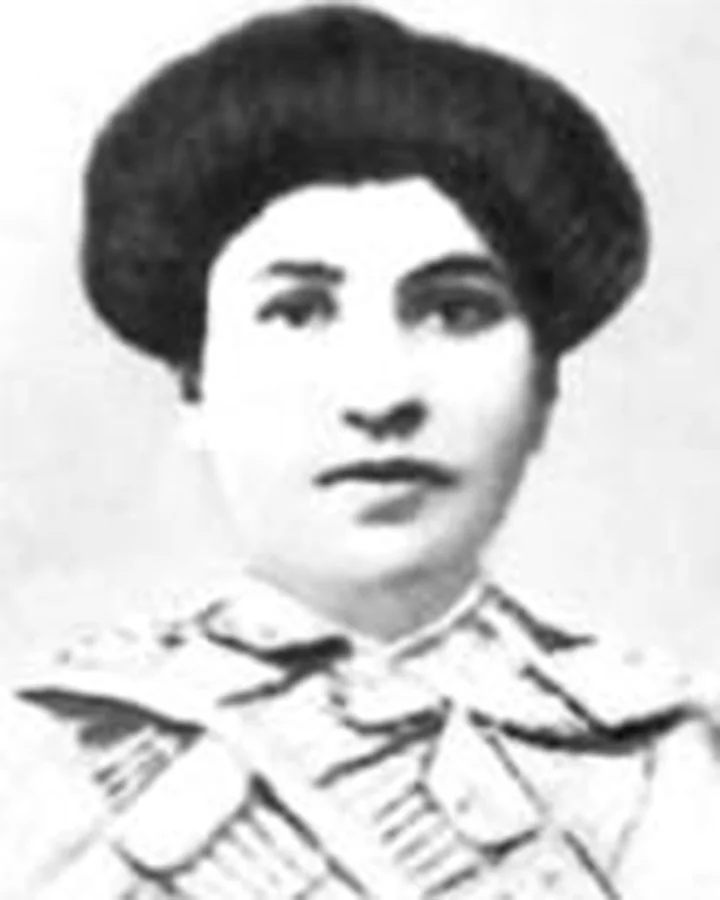
Armenui approached Commander Mkrtich Yeotnehparyan and provided him with an operation plan to attack the Turkish guard. He gave her permission, stressing that it was much more dangerous for women to fall into the hands of Turks or Kurds alive, as they could not only be killed, but also raped, enslaved or married off.
After midnight, Khanum Ketenjian and her women’s battalion opened fire and burned down the guardhouse, killing most of its guards. In total, Armen’s squad managed to kill more than 20 Turkish gendarmes. Insulted and humiliated by the fact that his squad was defeated by women, the Turkish officer ordered all the girls to be captured alive.
During the interrogation in captivity, the captain told Armenui that he knew her father, Toros Ketenjian, and therefore would spare her life. He promised that the rest of the prisoners would also be kept alive and married off to Turkish soldiers. But Ketenjian, unshakeable in her beliefs, declared that she would rather die than become the wife of a Turk.
The captain informed the women that the official would choose them as a wife for one of the gendarmes. He ordered the girls to be stripped naked and their hands tied behind their backs. When it was time for the Kiss, she demanded that her hands be untied, and she undressed herself. The captain agreed, and the gendarme untied her. Unbuttoning her jacket, Ketenjian pulled out a rifle and shot the captain three times—in the head, heart and stomach. Chaos ensued, and the soldiers shot dead Armenui and all the captured women. Khanum put an end to their appalling situation, as they all swore that they would not live in captivity and subjugation by the Turks.
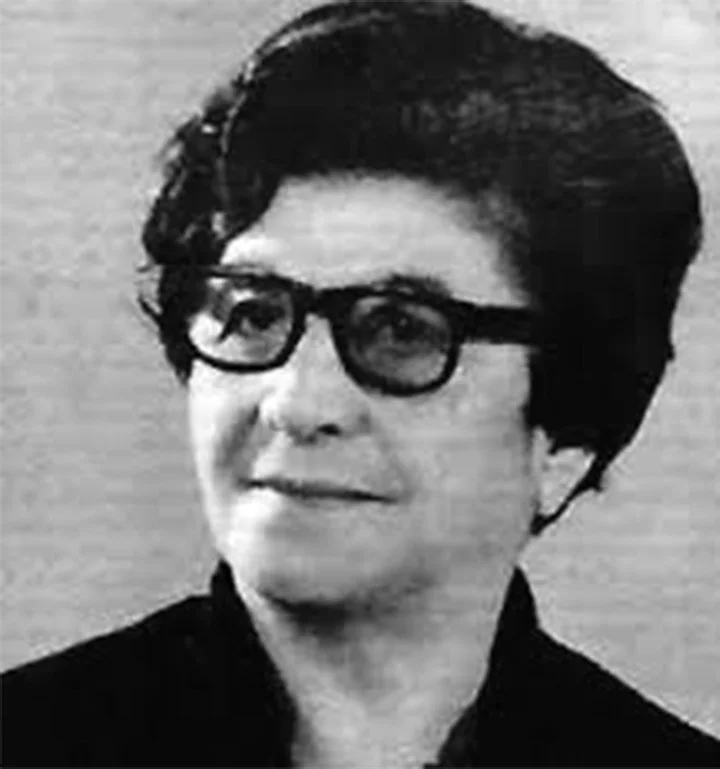
In 1883, the famous fidai and leader of the Relief Society of Armenia (OMA) “Lola” Hripsime Metsadourian Sasuni, the niece of the poet Misak Metsarents, was born in the city of Akn. In 1908, her family moved to Constantinople, and two years later, Hripsime joined the Dashnaktsutyun party, taking the pseudonym “Lola.” Together with other women, she helped refugees and orphans.
Metsadourian joined the Amazasb military group in 1913. And in 1916, she joined the Fedayah and began to run orphanages. Lola played an important role in the victorious Battle of Sardarapat in 1918.
Lola was imprisoned in 1920 for her ideological beliefs. After her release, she moved to Iran, where she continued her community service. When Armenia became independent, Hripsime returned to Yerevan and began working for the Armenian Red Cross. Later, she was forced to leave again: first, Metsadourian moved to Paris, then to Cairo, then to Aleppo, and finally to Beirut, where she worked at OMAGH until her death.
A true patroness of all the poor and orphans, Hripsime, together with Chavo Shant, founded the Plate with Food program during World War II, led the creation of clinics and hospitals, and also founded the Chtaura Rehabilitation Center in 1954. Lola has devoted her entire life to providing food, education, and healthcare to the poor.
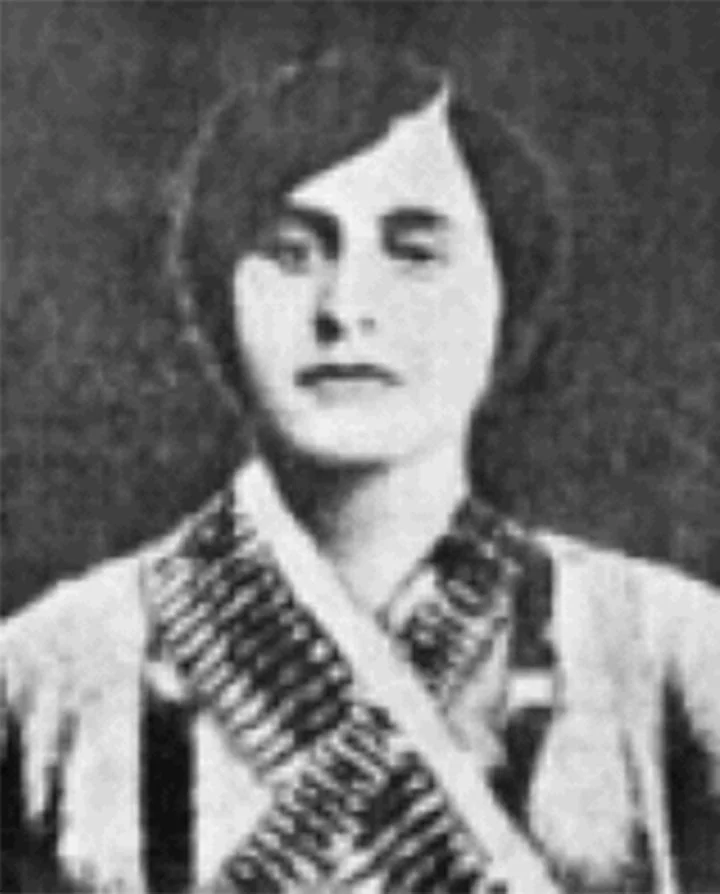
Another famous fidai is Mariam Chilingiryan. Like Armenui, Mariam was the leader of the Urfi Self-Defense. Dressed as a man and fully armed, she led her women’s battalion during the battles with the Turks, and also raised the morale of her comrades.
During one battle, when Harutyun Rastgelenyan was shot, Chilingiryan withstood enemy fire and dragged his body into the church, but was still wounded in the leg by enemy bullets. She was arrested and sentenced to death, but then the sentence was changed to 101 years in prison. During the armistice in 1918, Mariam was released.
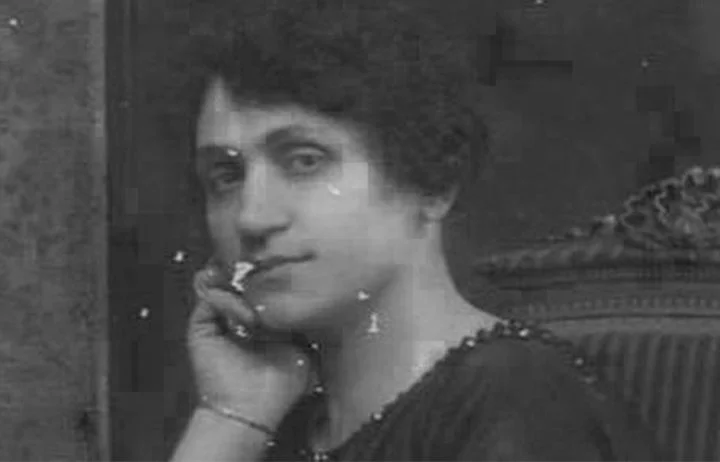
“Rubina” Sofia Areshyan-Ohanjanyan, who was born in Tiflis in 1881 into a landowner’s family, participated in the Armenian national liberation movement from a young age. At just 24 years old, she and her associates, led by Christopher Mikaelian, one of the founders of the Dashnaktsutyun party, planned and carried out an assassination attempt on Sultan Abdul Hamid II, who gave the order to kill Armenians.
During the preparation for the assassination attempt, Mikaelian died due to a premature bomb explosion. But despite this, Rubina insisted that the operation take place. The Sultan prayed at the mosque every Friday and came out at about the same time, so it was decided to put a bomb in his carriage. On the day of the assassination attempt, July 21, 1905— Abdul Hamid II lingered in the mosque. A bomb was thrown at the Sultan, but it did not hit him. However, more than ten high-ranking Turkish officials were killed.
After the unsuccessful assassination attempt on Sultan, Areshyan-Ohanjanyan left for Europe. She returned to the Ottoman Empire after the overthrow of Abdul Hamid II in 1908 and began helping her friends who were arrested for participating in the national liberation movement. Rubina married the future Prime Minister of the First Republic of Armenia, Amo (Amazasp) Ohanjanyan. At the same time, the Russian government convicted Ohanjanyan in the fictional case of the “Trial of Dashnaktsutyun” and exiled him to Siberia. Sofia went with him.
The couple returned to Armenia in 1915. But after the fall of the First Republic of Armenia, the Ohanjanians moved to Cairo, where Rubina joined the Nationwide Amazkain Cultural Association, which her husband had founded. After Amazasp’s death, Sofia moved to Canada. She died in 1971.
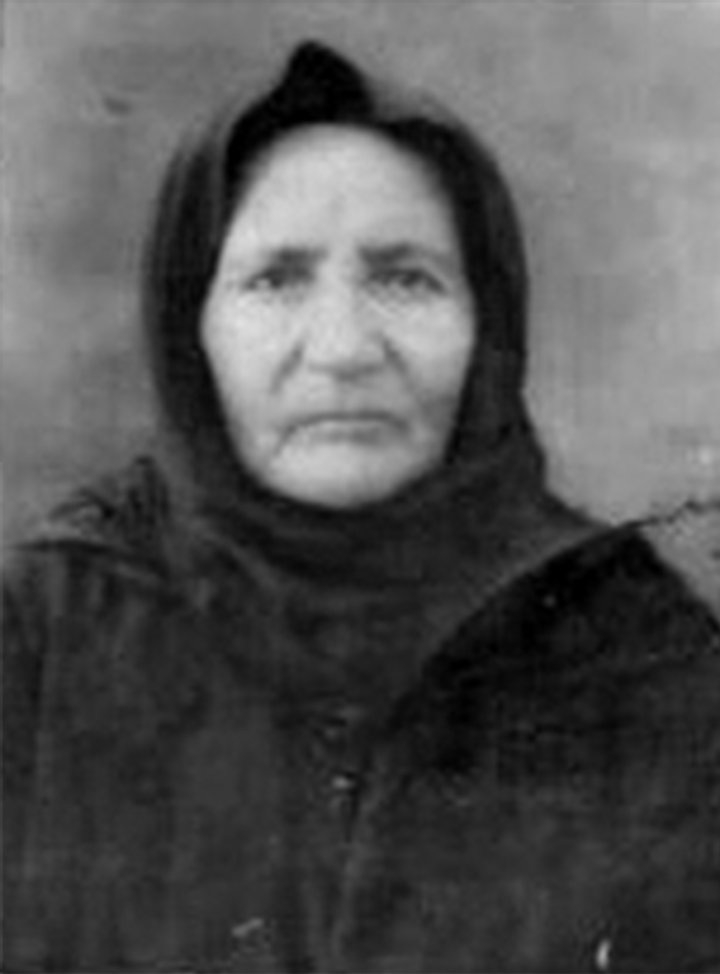
In 1868, Sose Vardanyan was born, known as Sose Mayrik, which means “mother” in Armenian. She received this name for her bravery and maternal care for the soldiers from her husband’s battalion, the famous Fidai leader Akhpyur Serob, whom she married at the age of 13.
Sosa Mairik showed bravery in the Battle of Babshen in 1898 and the Sasun uprising against the Turkish battalion in 1894. In these battles, she witnessed the murder of her son and brothers-in-law. During one of the battles with the Turkish troops, Serob fought valiantly for about eight hours until he was wounded. When his gun fell out of his hands, Sosa Myrick grabbed it and continued to fight the enemy.
Akhpur Serob was poisoned by a traitor sent by the Turks in 1899. Sosse Mairik was captured in Musha and imprisoned in the city of Bagesh, to which the Ottomans transferred the severed head of Serob in order to intimidate the Armenians.
In 1904, Sosa Mairik moved to Van, and then to the Caucasus. Before her death in 1953, her other son died during the Erzurum massacre. Despite the fact that her life was full of tragic moments, in the end she witnessed how her husband’s dream came true — Armenia became free and independent. Sose Mairik’s remains were buried at Yerablur Military Cemetery in Yerevan in 1998.
Armen, Lola, Mariam, Rubina, and Sose Mairik, like many women and mothers, ran the household, raised their children, and took care of the communities. At the same time, they managed to lead military battalions, bravely defend the Armenian people and fight for their independence. Their legacy will be continued by those who are inspired by the heroism of these incredible women.
Source: Армянский музей Москвы и культуры наций
Cover: Armenian Fidai women. On the right: Yeghisapet Sultanyan. The name of the second woman is unknown. Photo The Armenian Weekly
 armeniawiki