

The Armenian Genocide in the Ottoman Empire is the greatest tragedy, with millions of victims. Writers and artists who survived the bloody events of the early 20th century began to actively cover what happened in their work. Sarkis Khachaturian was one of the first to take up the topic of Genocide and its consequences in painting. On the artist’s birthday on August 9, the Armenian Museum of Moscow remembers his works dedicated to the sorrows of his native people.
Sarkis Khachaturian was born in Malatya in 1886. He received his education at the Academy of Fine Arts in Rome, and then at the School of Decorative Arts in Paris. The beginning of the master’s creative career happened at the time of the persecution of Armenians in the Ottoman Empire. In 1914, he painted The Deportation of the Armenians, the first painting in a series on the theme of Genocide.
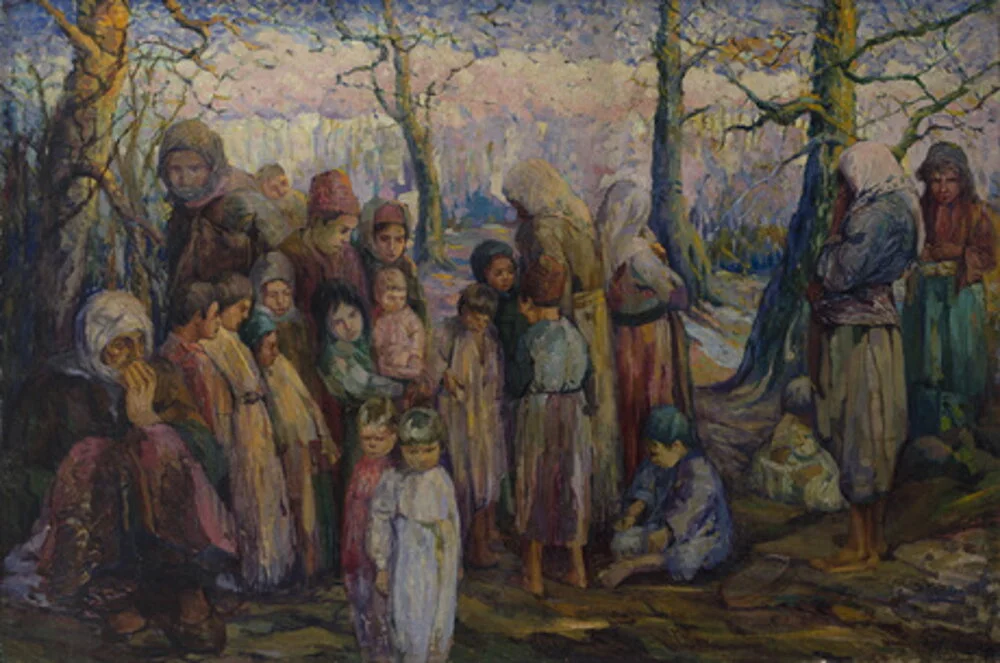
Khachaturian, unlike many other representatives of the creative intelligentsia, managed to survive the tragic events of 1915: he moved to Transcaucasia. During these years, the master created a number of sketches depicting Yerevan, and with the advent of Soviet power, he became the author of the first postage stamps of the Republic. The artist often turned to the theme of the motherland: his works include picturesque landscapes, Armenian churches, Ararat, city streets and quiet rural life.
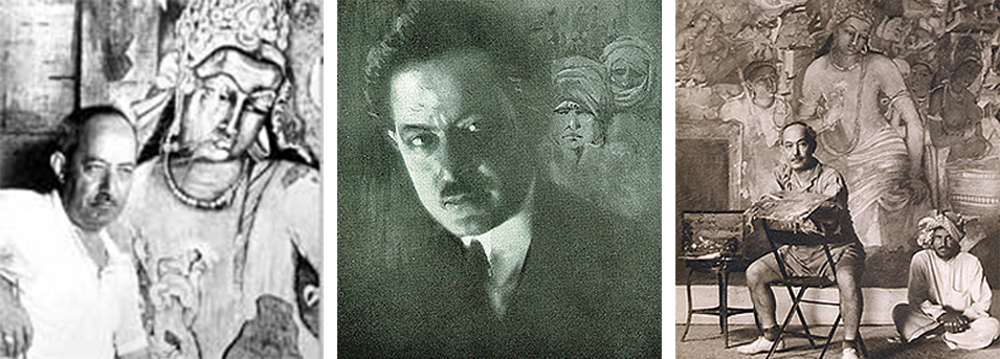
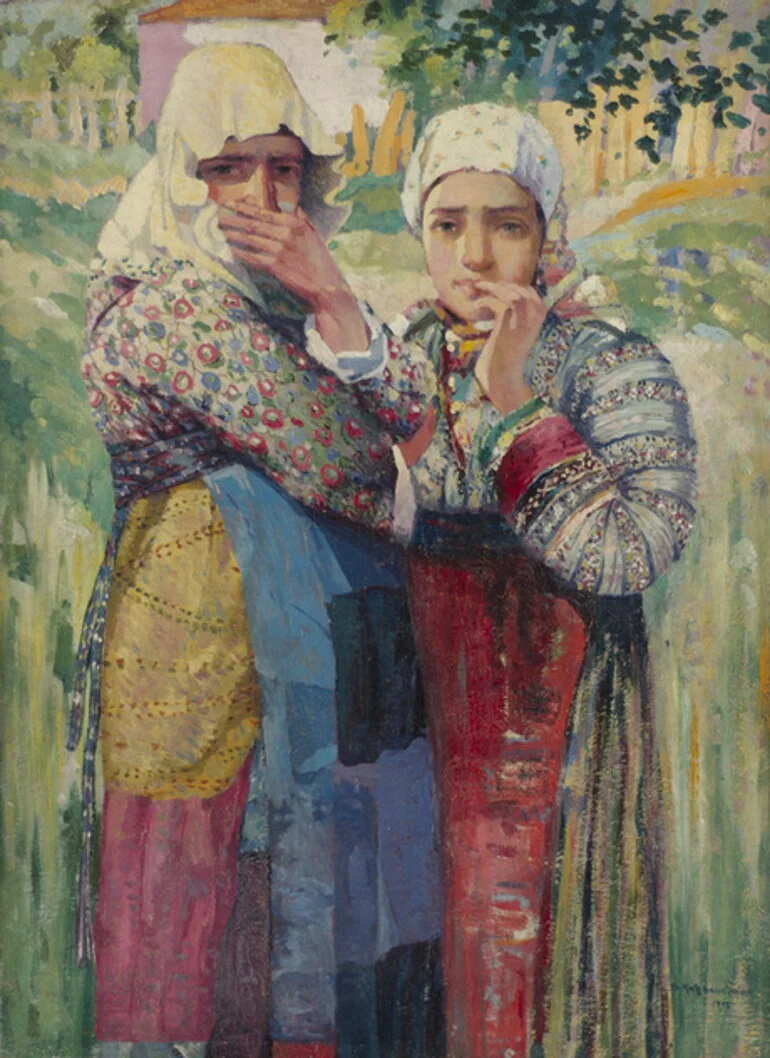
At the same time, Khachaturian continued his cycle about the tragic fates of his people. With the appearance of the first refugees, they began to appear on the paintings of the artist. “Armenian orphans in the desert”, “Armenian migrants” are only a small part of the works devoted to the consequences of the Genocide. In 1924, the album Armenia was released in Vienna, which included Khachaturian’s most significant works. The publication called him “the singer of Armenian sorrow.”
In the second half of the 1920s, another period began in the master’s work: after moving to Paris, he turned to Cubism. The artist’s new works proved to be no less successful – Henri Matisse and Pablo Picasso visited his exhibition, and philanthropist Calouste Gulbenkian acquired several works by the Armenian painter.
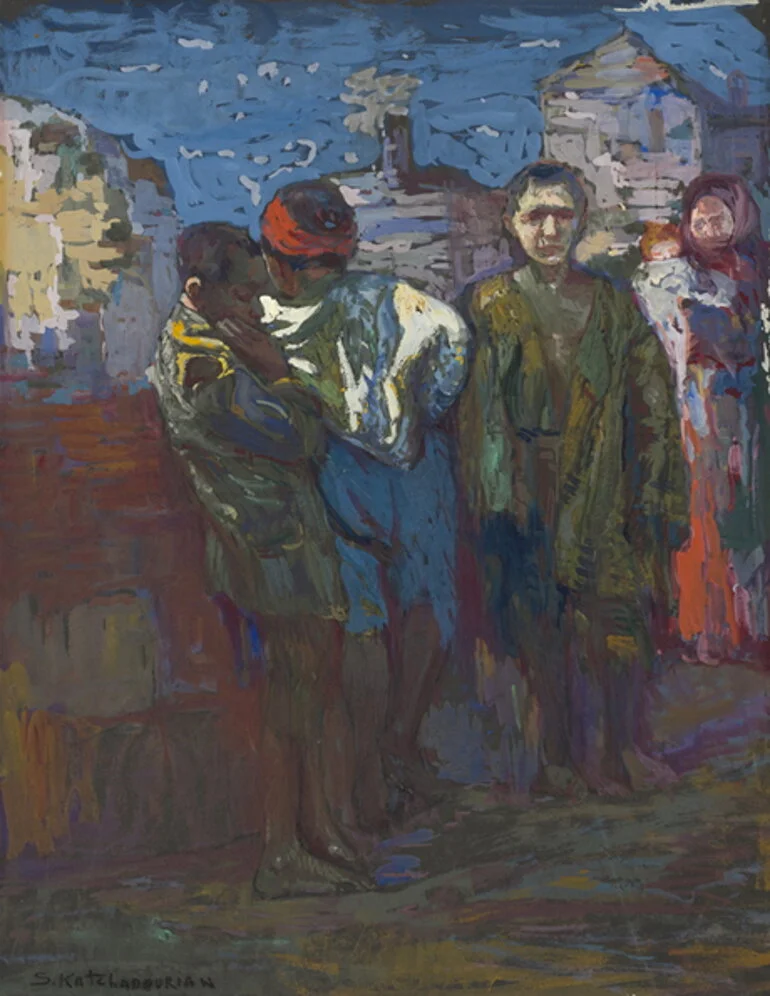
In the early 1930s, Sarkis Khachaturian, at the invitation of the Iranian authorities, went to the East to restore the paintings of the Safavid era in the Shah’s palaces. The artist not only completed his work, but also made copies of these images, which he later brought to show to the European public. In 1934, the creator founded the Museum of Armenian Art in New Jugha.
The fame of Khachaturian’s skill spread to India, and in 1937 he undertook the restoration and copying of the disappearing frescoes in the famous Ajanta temple complex. In the same year, the artist fought for the cultural heritage of Ceylon – he worked on murals of the ancient fortress of Sigiriya.
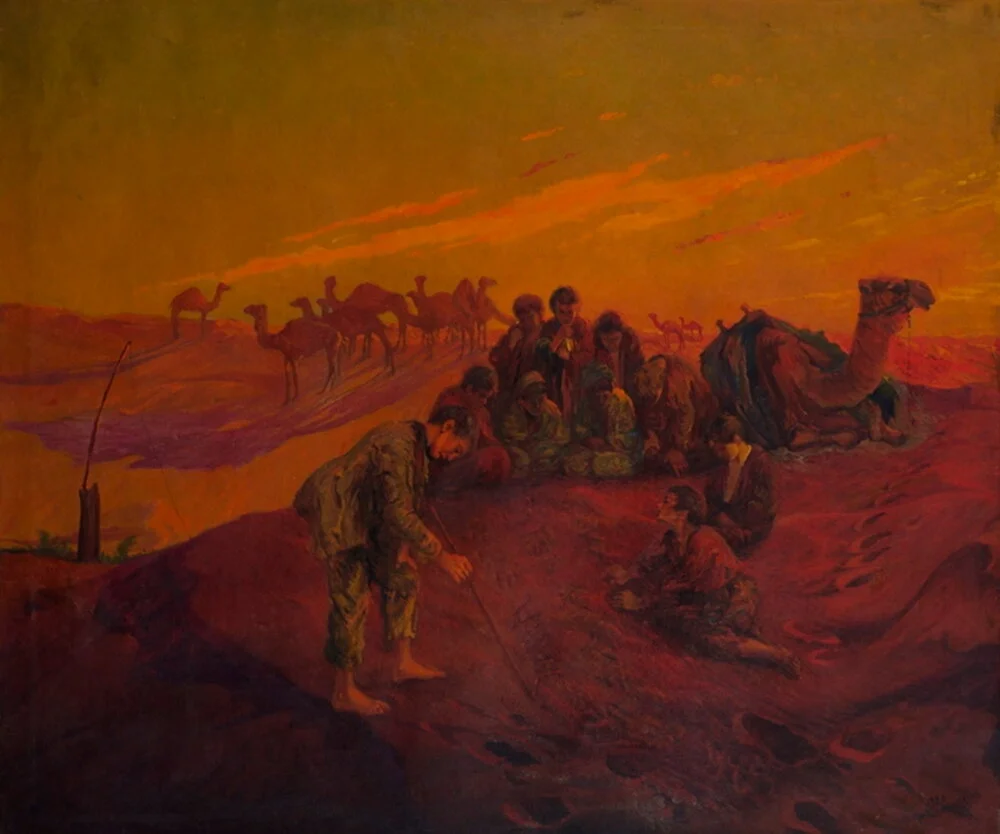
Unfortunately, most of the frescoes have been lost now, but thanks to Khachaturian, copies of them have been preserved. The creator left about 500 works, some of which were donated by Vava Khachaturian’s widow to the National Gallery of Armenia. “Sarkis Khachaturian’s paintings are distinctive, and his works are influenced by the culture of all the countries in which he worked. Nevertheless, he remains an Armenian artist,” said Gohar Chemenyan, Senior researcher at the Graphics Department of the National Gallery of Armenia. – Khachaturian was a very interesting colorist. He was sure that the roots of his amazing sense of color lay in his Armenian origin, genetics.”
Sarkis Khachaturian died in 1947 in Paris from the effects of malaria, which he contracted in India. 30 years later, the ashes of the talented artist were transported to Yerevan.
Source: Армянский музей Москвы и культуры наций
 armeniawiki