

Martiros Saryan visited Armenia for the first time only at the age of 20, but this trip inspired the creator so much that the vivid landscapes of his historical homeland, characterized by a special saturation of colors, became his calling card. A special place in the artist’s work is occupied by a series of “fabulous” watercolor and tempera works. The editorial staff of the Armenian Museum of Moscow continues to talk about the painter’s special vision of the Caucasus — magical and ghostly.
Symbolism, as an artistic movement rooted in poetry, focused on the search for truth through a metaphorical depiction of reality, rather than its actual depiction. Symbolists combined elements of objective reality with their own fantasies and dreams, thus reacting to depressing realistic and naturalistic images.
The desire to escape from reality was caused by global changes. The 19th century turned out to be a century of radical changes, starting with the abolition of slavery and ending with industrial revolutions leading to mass urbanization. The power of the Islamic empires was decreasing: It was the time of European imperialism, which kept most of South Asia, Southeast Asia, and parts of Africa under its colonial rule. The British and Russian Empires became the world’s leading powers. The Russian Empire expanded its borders towards Central and East Asia, as well as the Caucasus.
Gradually, the Caucasus became a territory for the Russian Empire that could be compared to the Middle East for France and Great Britain. He turned out to be a kind of romanticized symbol of a “different culture”, which, nevertheless, was under pressure and attempts to “tame” it.
These romanticized lands of the East and the Caucasus seemed like a different reality, a place to escape to and which the Empire could use to shape its own identity. Industrial revolutions and socio-cultural changes also widened the gap between Asia and Europe — Asia, in comparison with Europe, seemed more ephemeral and “emotional”. This is how the unspoken separation of the Caucasus and the Russian Empire took place.
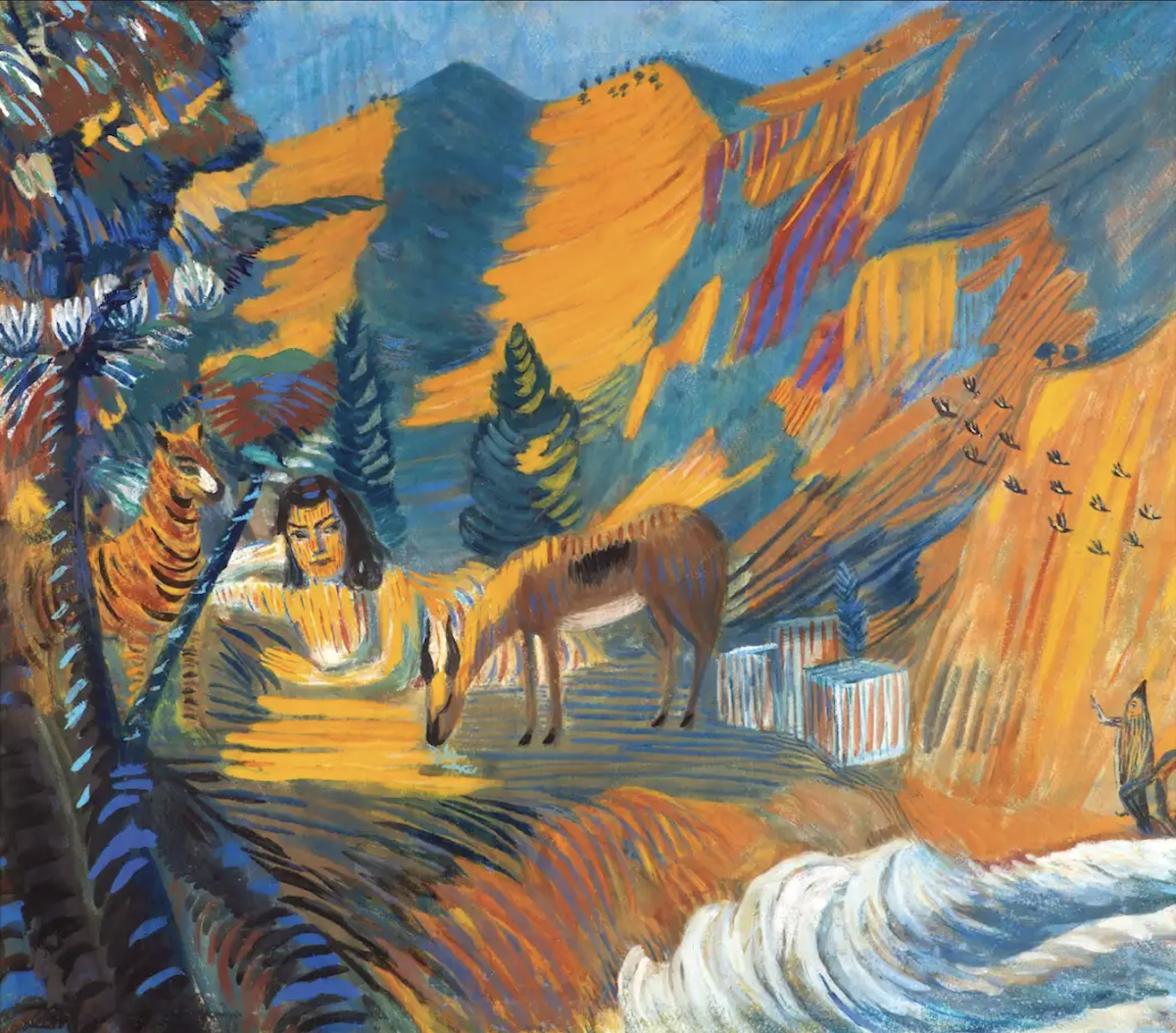
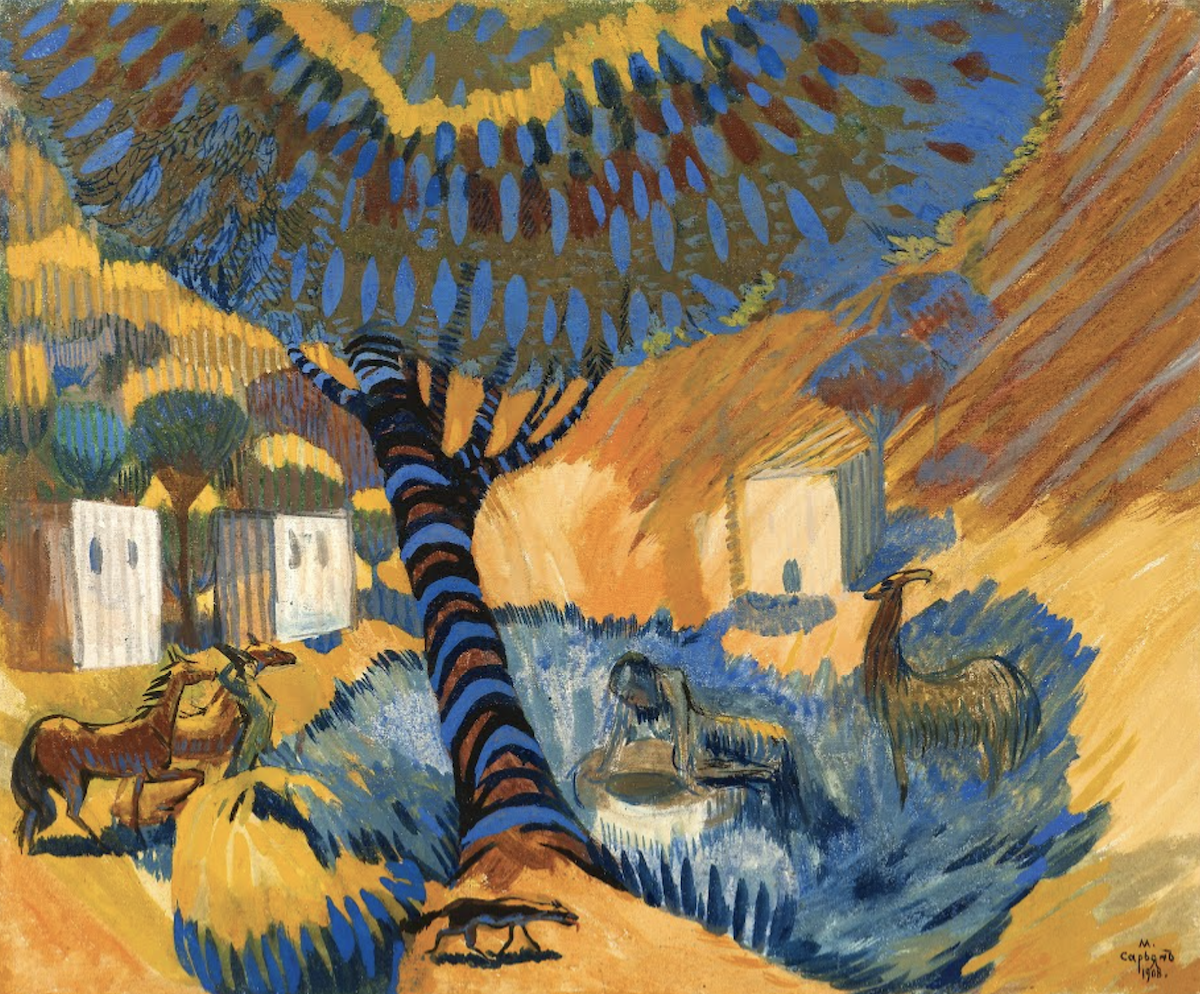
An Armenian by birth and a graduate of the Russian Empire with “European” aesthetic views, Martiros Saryan had his own vision of the East. For the artist, the Caucasus was not only a romantic image from books and paintings — the master had heard a lot about it from his relatives and knew that he was a part of it. Saryan said that every artist should combine the history of his own people and modern world trends in his work — this is the basis of great art.
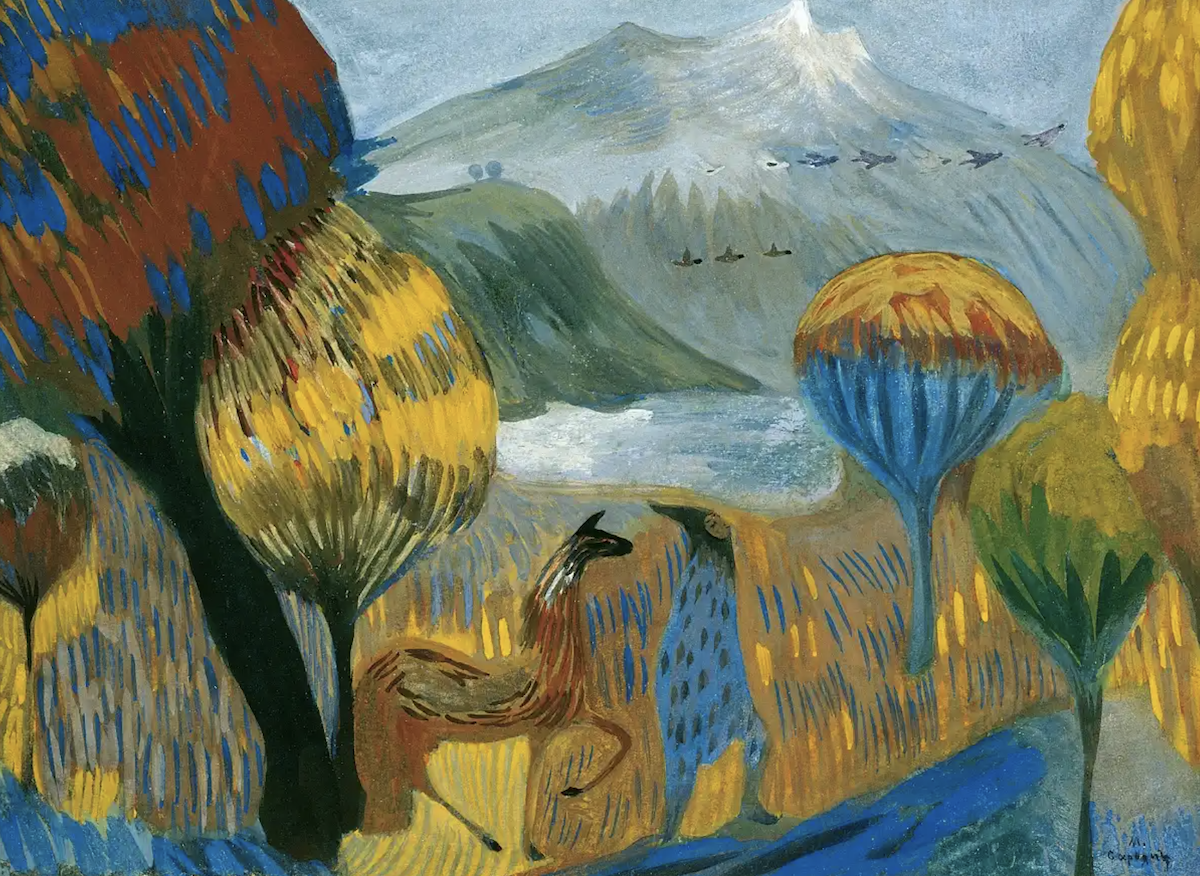
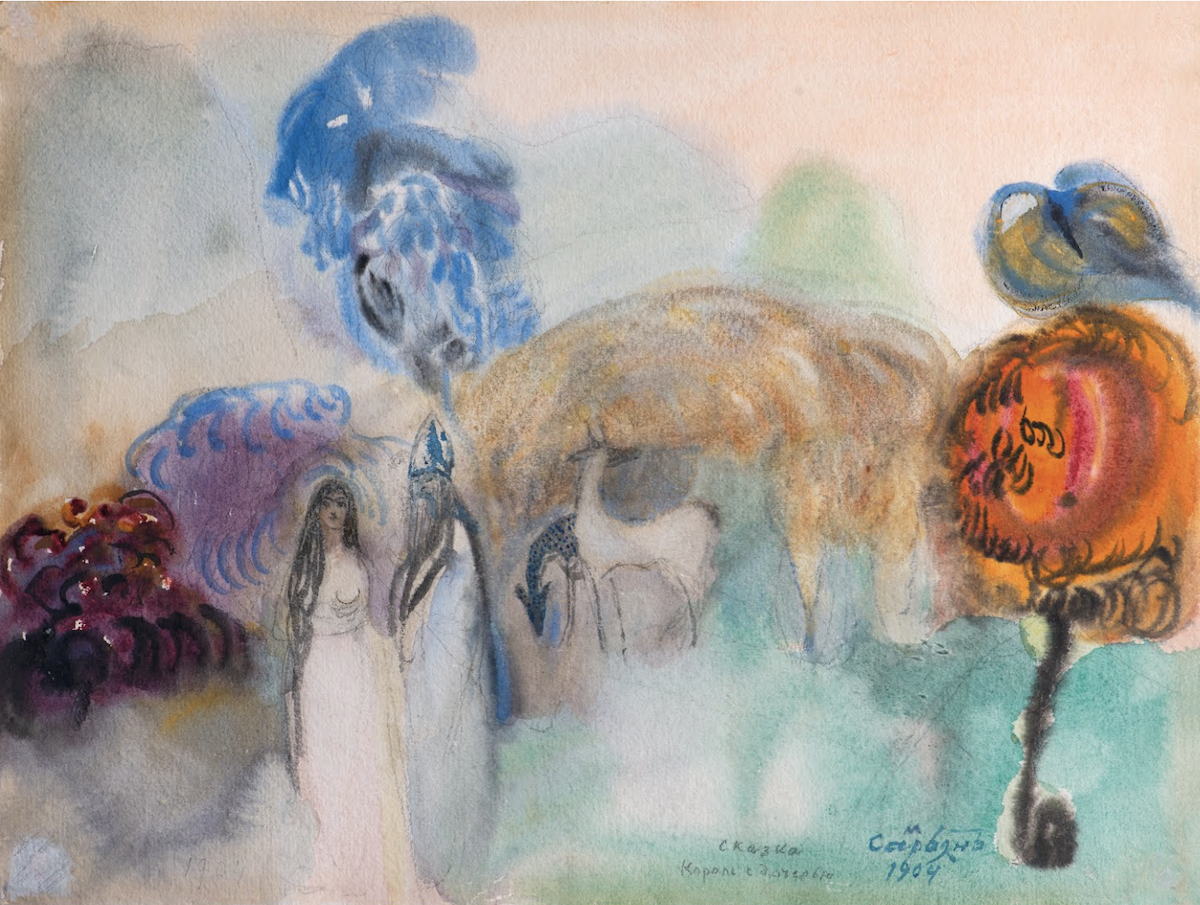
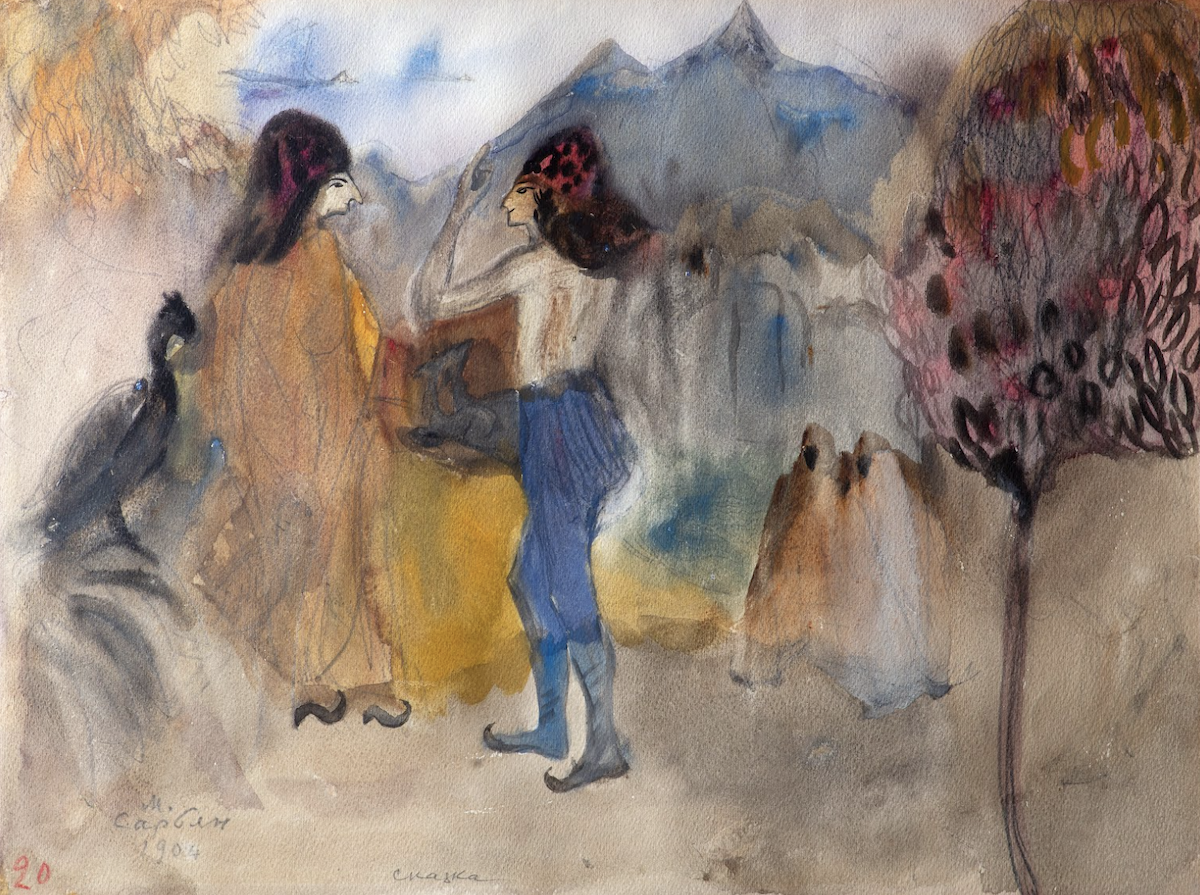
The painter’s travels to Armenia in 1901, and nine years later to Constantinople, in 1911 to Egypt and in 1913 to Persia gave him a new vision of the East. It was not just a journey of the Western mind through unknown lands, but also a journey of a man returning to his roots through smells, images and sounds, both new and already familiar. The cycle “Fairy Tales and Dreams” raises the issues of returning to a lost culture. This series was a way of rethinking the duality of reality, consisting of an inner feeling and what is considered real.
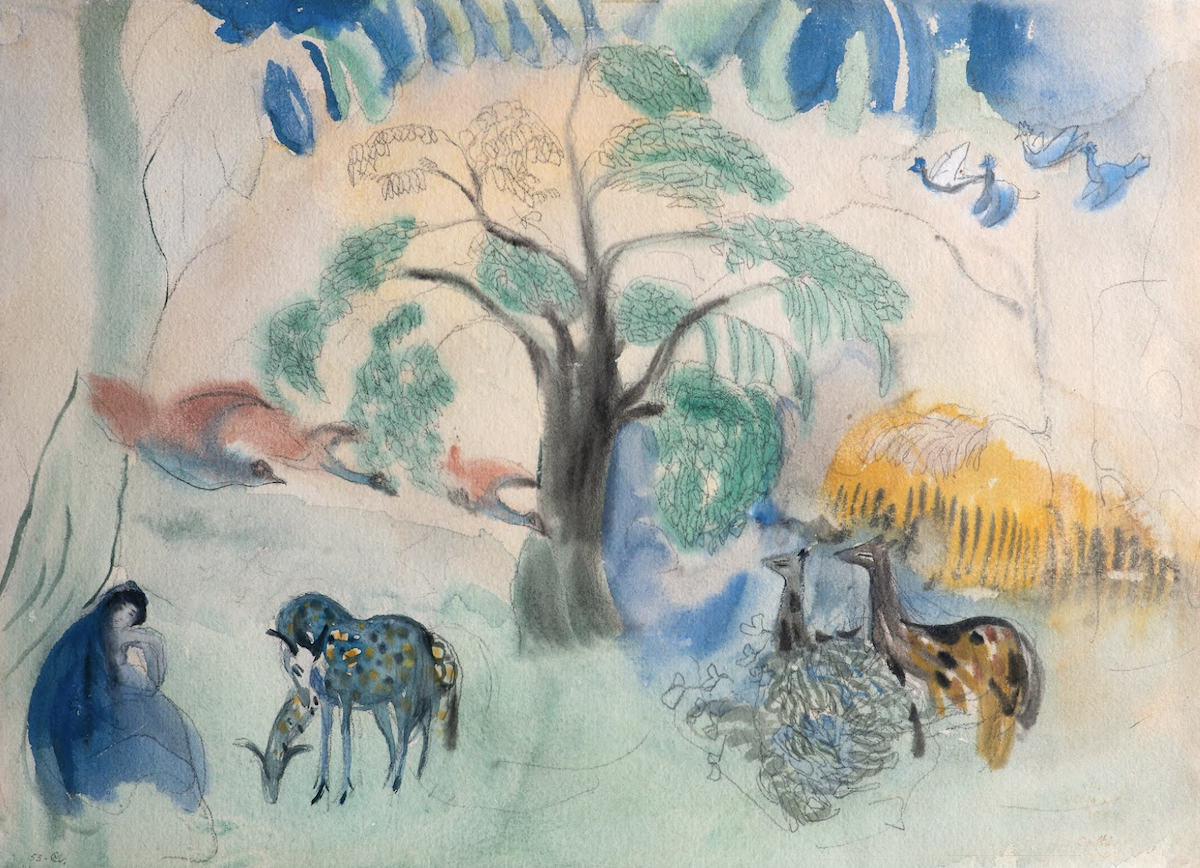
Dividing the created images into “fairy tales” and “dreams” shows how Saryan tried to divide his impressions into two different directions. The first is a symbolic representation of the East, inspired by its folklore and vast cultural heritage. The second is a symbolic image of his homeland, inspired by personal experience. Common symbols that can be found both in the names and in the images of the cycle are often associated with ideas about the East. The most frequent images are of the poet and the gazelle, or the Caspian red deer, which is also called the maral. These characters refer to Oriental folklore and various cultural cliches.
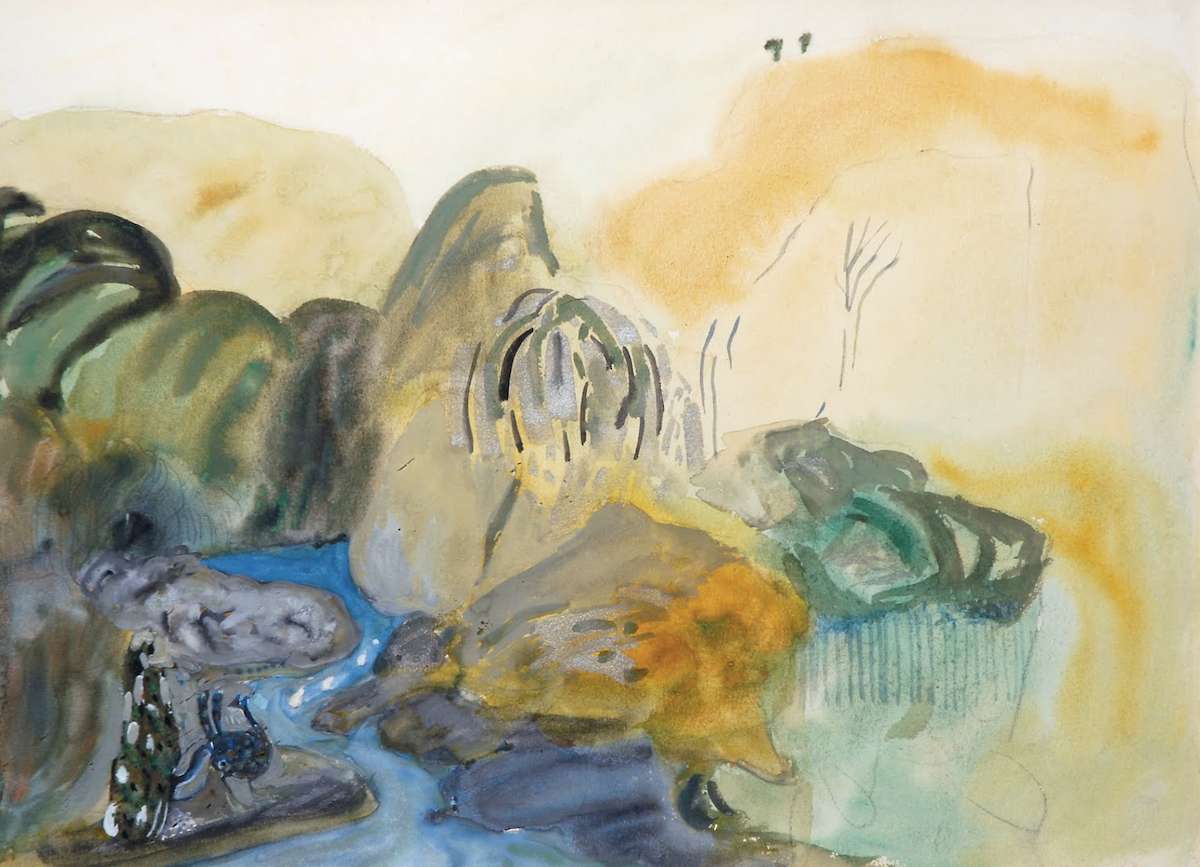
The poet, the most revered character in fairy tales and legends of the East, is considered a symbol of collective memory. Sometimes he acts as an image of the creator or a prophet with secret knowledge. The maral in Armenia is a symbol of beauty. The word “gazelle” is of Arabic origin and is often associated in literature with the beauty of a woman, and in poetry with a loved one. So, both the maral and the gazelle often symbolize the beloved. Saryan used these poetic symbols, combining them with other Armenian and Persian images from fairy tales and folklore, as well as frescoes from Medieval Armenia.
The synthesis of these images gradually turned into an artist’s tool and helped to create a corporate identity. Subsequently, Saryan’s works became more structured and spectacular. Thus, the series “Fairy Tales and Dreams” defined the painter’s style with his love of mixing visual forms and the clash of different cultures.
Source: Армянский музей Москвы и культуры наций
 armeniawiki